-

Introduction
-

Our Time - Medieval Time

-


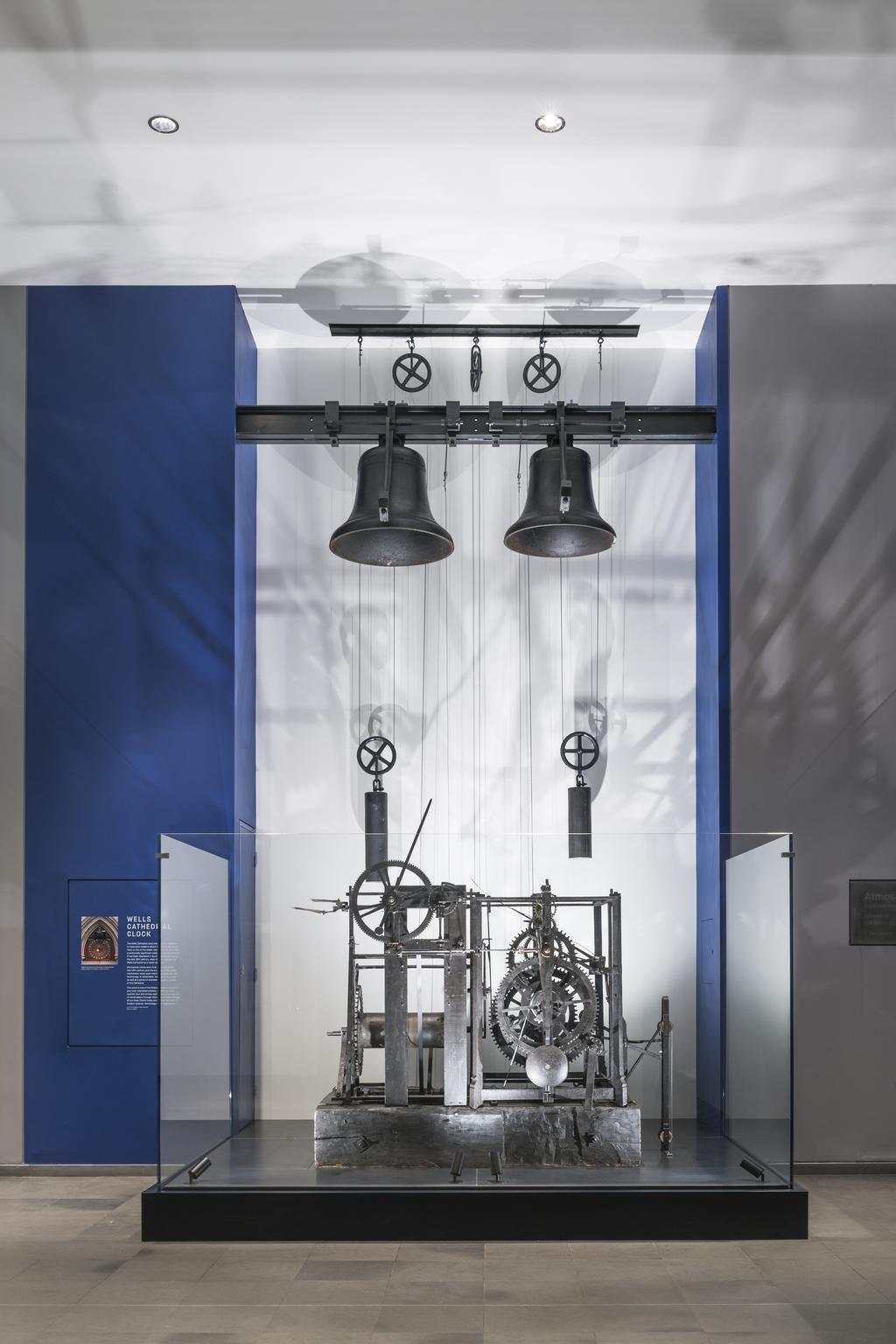
Wells Cathedral clock
-
Prescriptions and Time
-
How to prescribe without a clock or a watch - Medical miscellany
-
An ointment for skin disease
-
'Take mint and rue of each alike and wring the juice into thy nose when thou goest to bed.'
-
A drink 'to cleanse the breast'
-
'Drink it when thou feelest the worms grieven thee and thou shalt be well'.
-
How long is 'a good while'?
-
-
Pray for time
-
Cure 'all manner of ache' with mouthwash
-
A strange remedy for gout
-


Suggested Donation Levels
Congratulations!
You scored:
x
x
What have you learned?


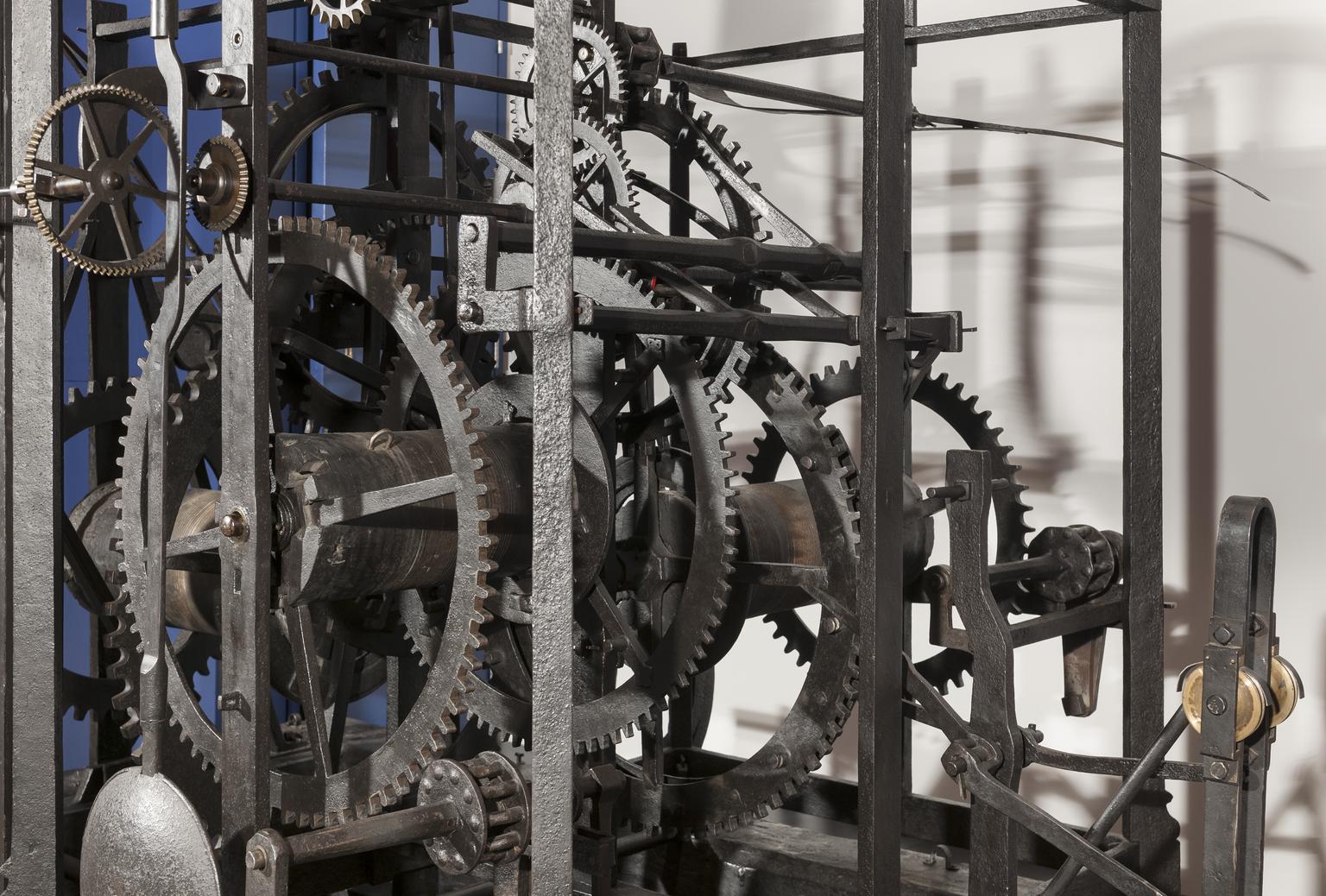

Wells Cathedral clock
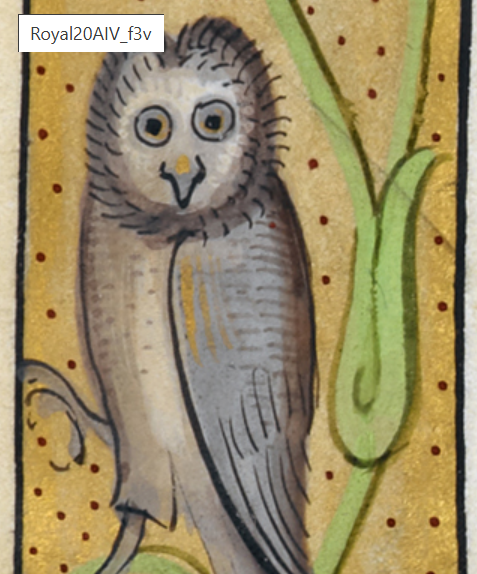
A few cathedrals and wealthy churches are known to have had clocks: this example from Wells Cathedral was made in 1392 and is one of the oldest surviving clocks in the world. However, such instruments were exceptions: they required precision craft skills on the part of their makers, and were expensive to build and to maintain.
Image 1 - Wells Catedral clock - Science Museum London
Image 2 - Wells Cathedral clock, detail, - Science Museum London
Image 3 - Wells Cathedral clock, detail - Science Museum London





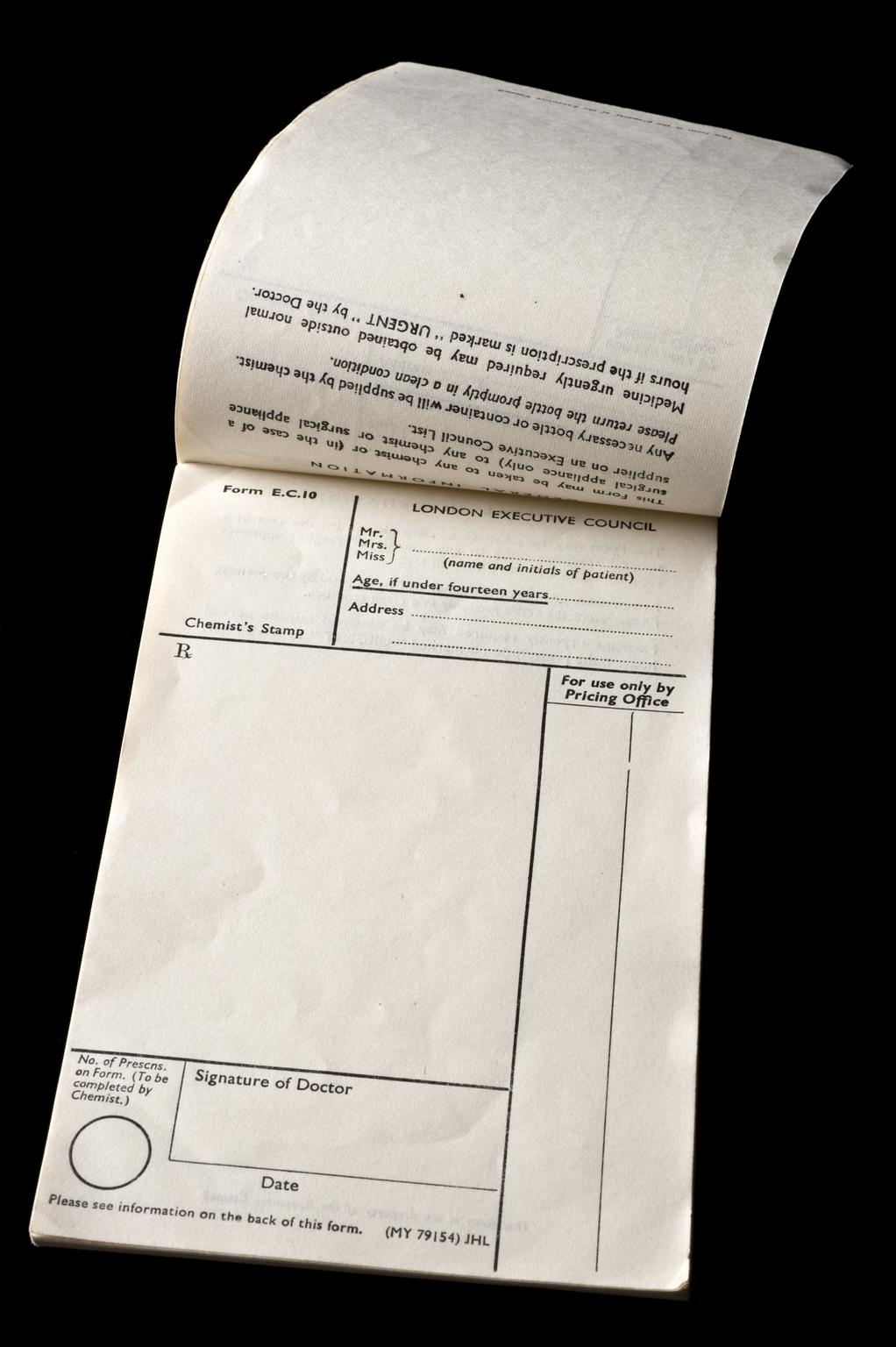
Prescriptions and Time
Have you ever been issued a prescription? Think what instructions the doctor gave you. These will usually say when and at what intervals a medicine should be taken: for example, two pills per day, one after you wake up and one before you go to bed.
Some instructions might be more prescriptive in certain respects and less in others: for example, you can take the medicine when you feel the need, but should not use it again within four hours of the previous dose.
How to prescribe without a clock or a watch - Medical miscellany
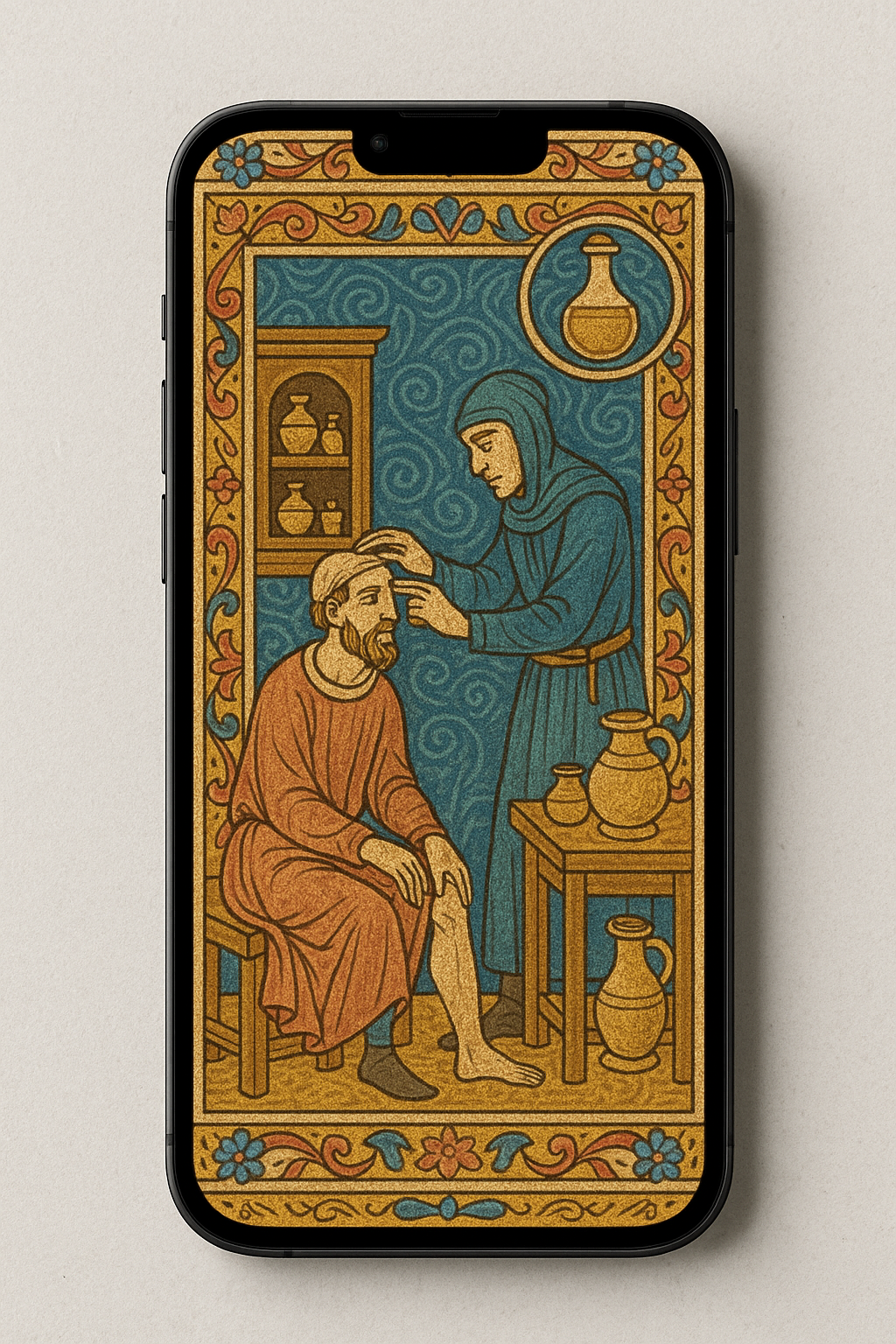
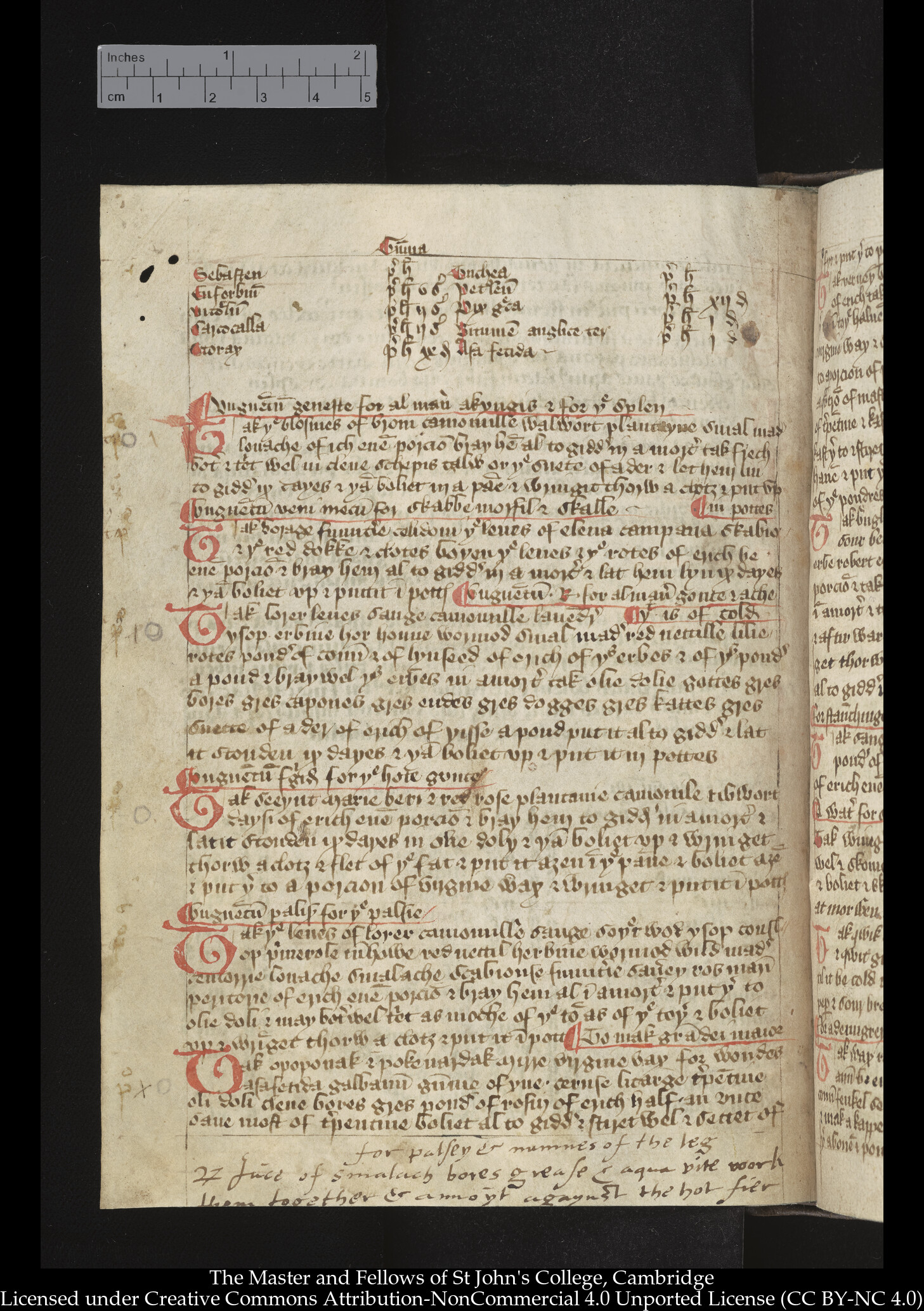
Most commonly, these steps were attuned to the rhythms of the day. This remedy 'For a man that is costyf' - that is, constipated - uses the root of a fern known as 'polypody', which grows on oak trees. It should be washed, crushed, and then mixed with white wine: 'and so let it stand all night and on the morrow strain it'. The patient should then be given the liquid to drink, 'and that shall make deliverance', the recipe concludes.
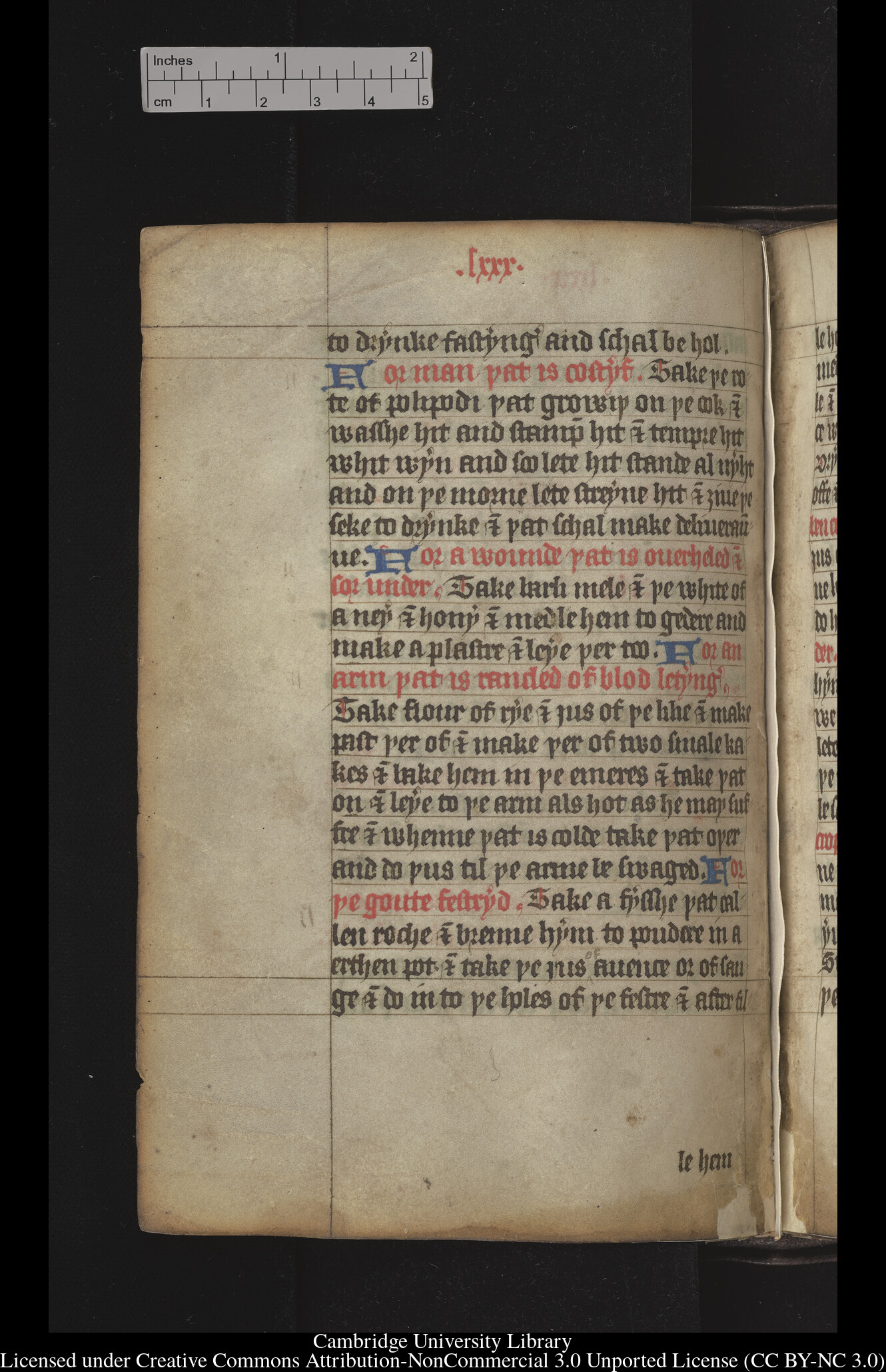
An ointment for skin disease
The second recipe on this page is for an unguent - an ointment or salve - known by the Latin name 'veni mecum', meaning 'come with me'. The rubric - the title of the remedy, which is underlined in red - states the three ailments it can address: 'skabbe, morfil and skalle', all types of skin diseases involving scabs, scaly skin and pustules.
The herbal remedy took rather longer to prepare than the previous one. It was made by taking the leaves and roots of borage, fumitory, celandine, elecampane, scabious and red dock, and another plant called 'clotes boyen', all in the same quantity. 'Bray [i.e. crush] them all together in a mortar,' the recipe instructs, 'and let them lie nine days, and then boil it up and put it in pots.'
The time it took to make, and the recommendation on storage, suggests that the unguent was to be made in batches by a healer or apothecary, and kept until it was needed by a patient.
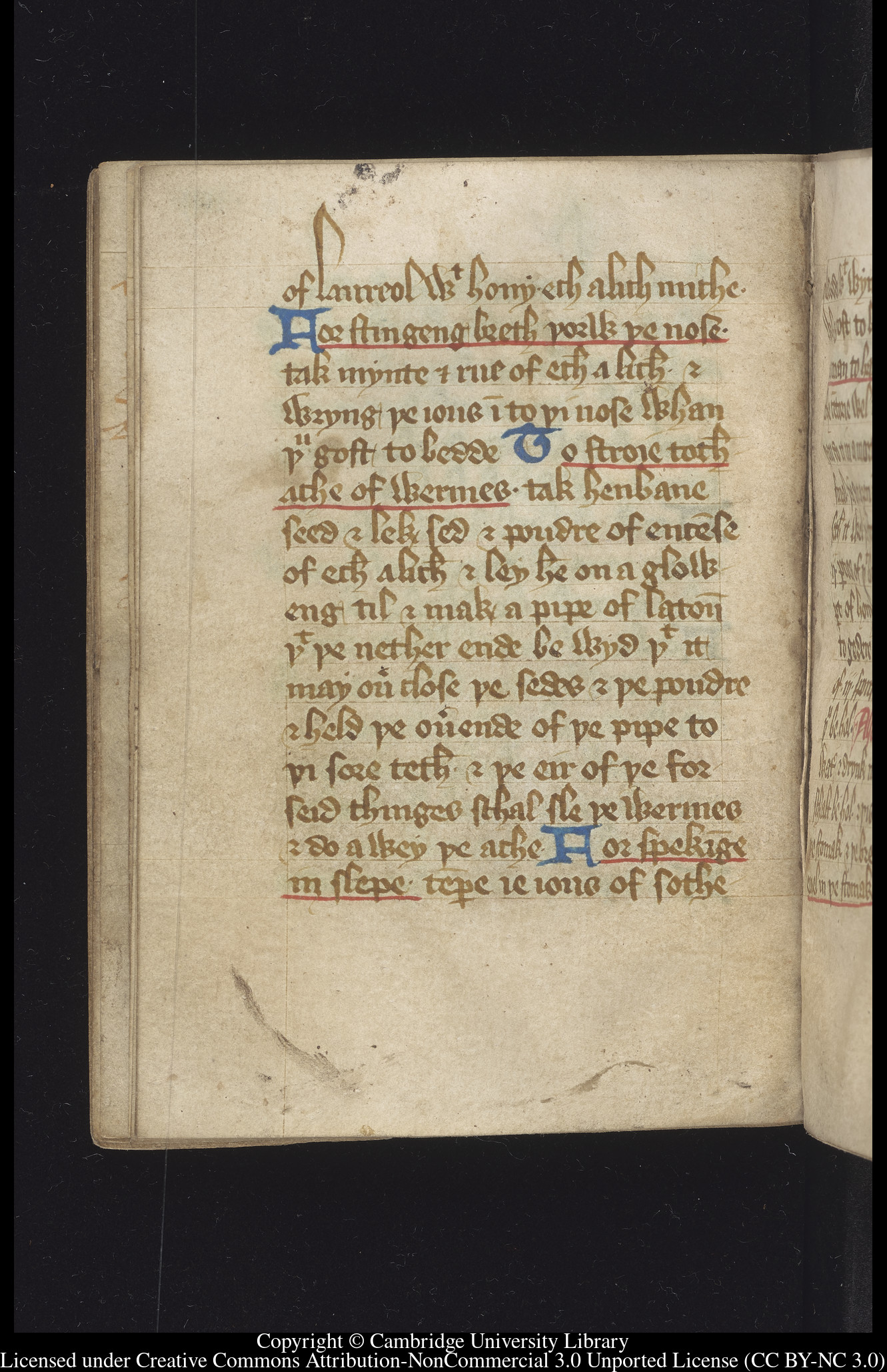
'Take mint and rue of each alike and wring the juice into thy nose when thou goest to bed.'
This manuscript contains a cure 'for stinking breath through the nose', and instructs the reader as follows:
'Take mint and rue of each alike [i.e. in the same quantity] and wring the juice into thy nose when thou goest to bed.'
Related Items
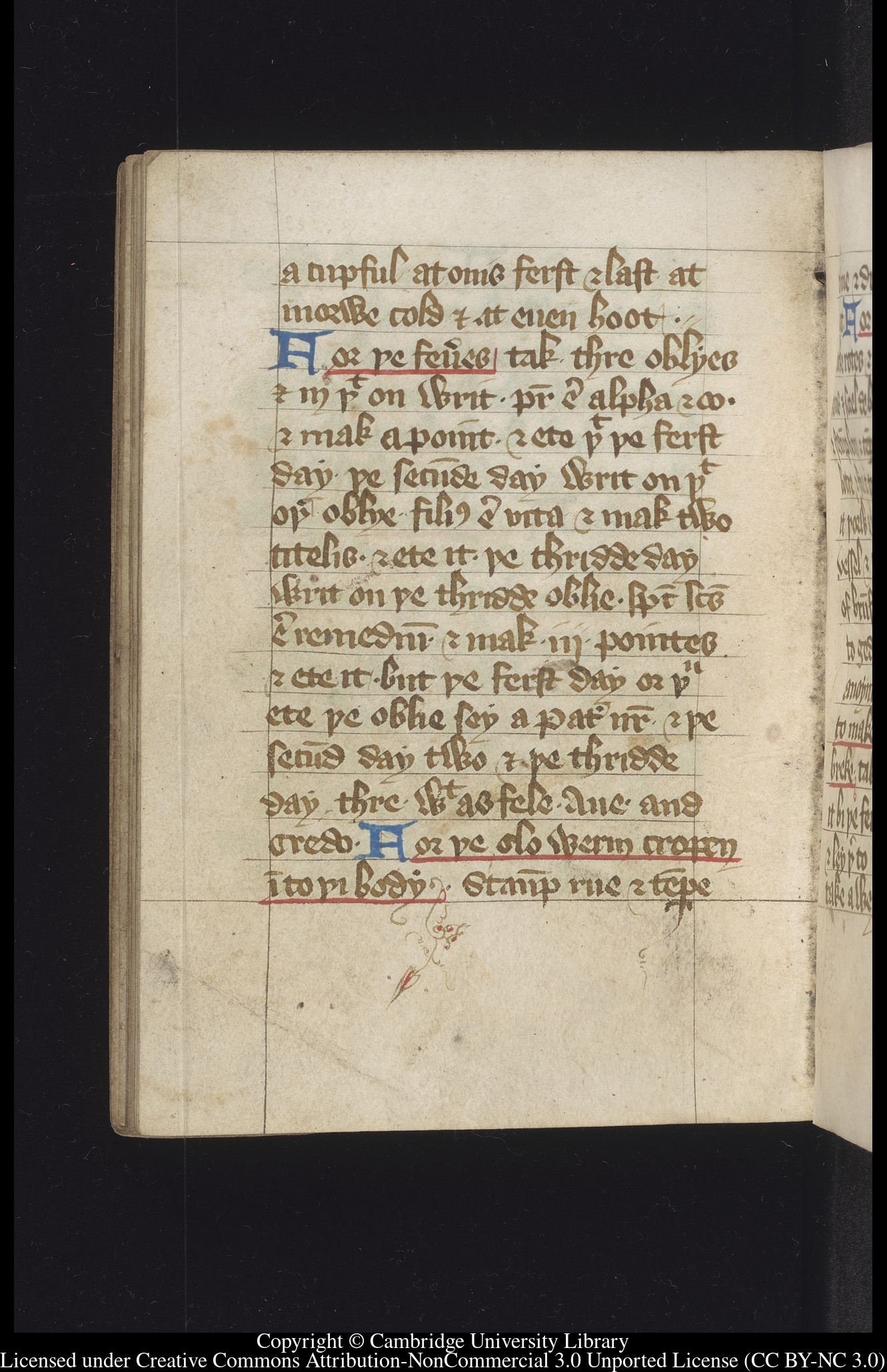
A drink 'to cleanse the breast'
The pot was to be closed up, buried in the ground and left for ten days. After that time had elapsed, the pot should be exhumed. The final instructions are shown here: the patient should drink 'a cupful at once, first and last, at morrow cold and at even hot': that is, cold in the morning and hot in the evening.
Related Items
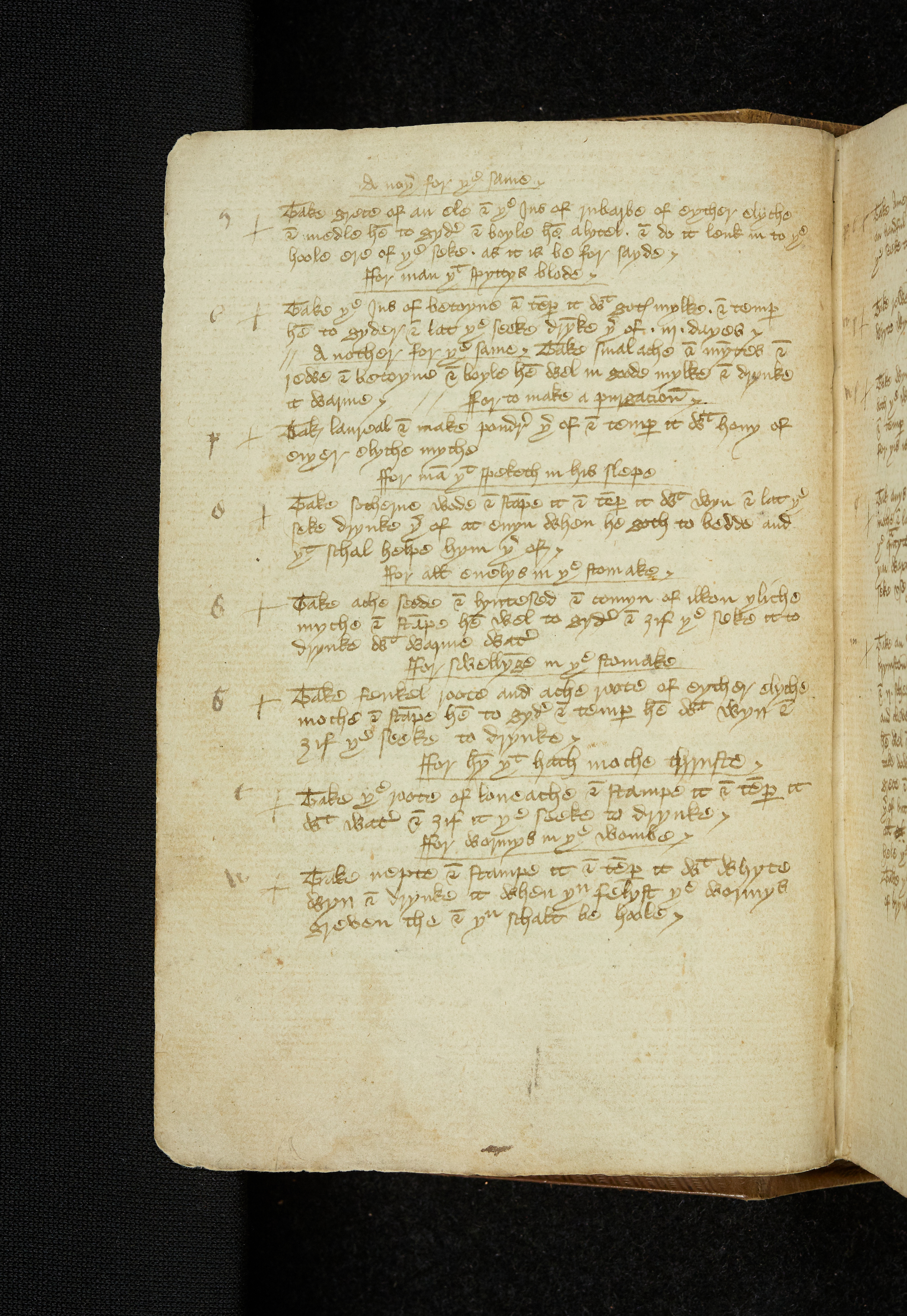
'Drink it when thou feelest the worms grieven thee and thou shalt be well'.
This treatment is for 'worms in the wombe'. 'Worms' appear in many different contexts in medical recipes and they might refer to a parasite or organism living on or in the body - but they may also refer to something that could not be seen but was thought to be the cause of a variety of different ailments.
The key ingredient is 'nepte' - probably the herb we now know as catnip or catmint. Like the cure for constipation, the herb is crushed and then tempered in white wine in order to make a drink. The reader is told, 'Drink it when thou feelest the worms grieven thee and thou shalt be well'.
How long is 'a good while'?
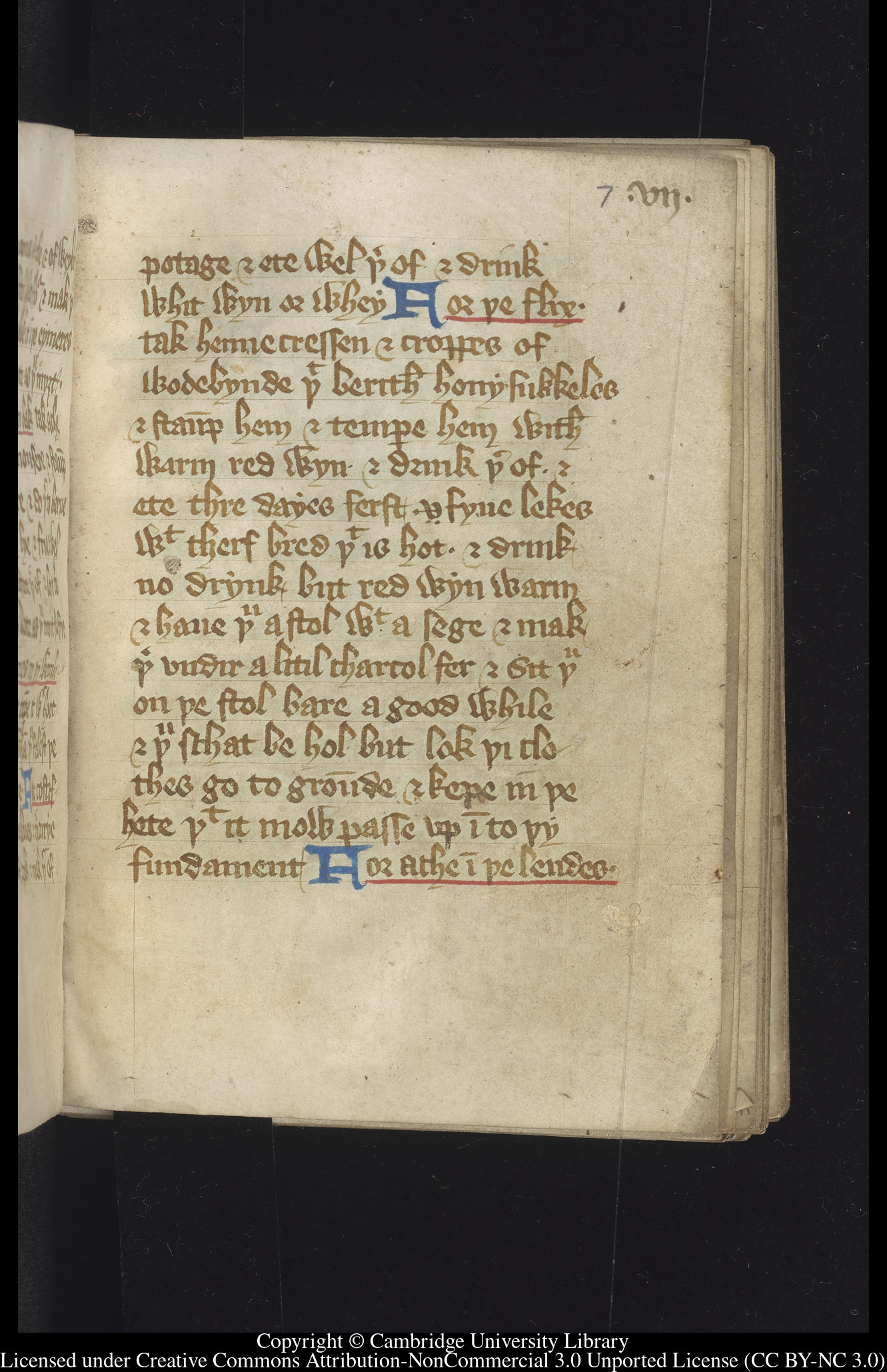
This remedy for the 'flix' (diarrhea or dysentery) prescribes first a special drink and diet. It then suggests a rather more curious cure - a sort of fumigation for one's bowels:
'And have thou a stool with a seat [i.e. like a toilet seat] and make thereunder a little charcoal fire and sit thou on the stool bare a good while and thou shalt be well - but look thy clothes go to the ground and keep in the heat, that it may pass up into thy fundament.'
How long is 'a good while'?
Medical recipes and charms Cambridge, University Library
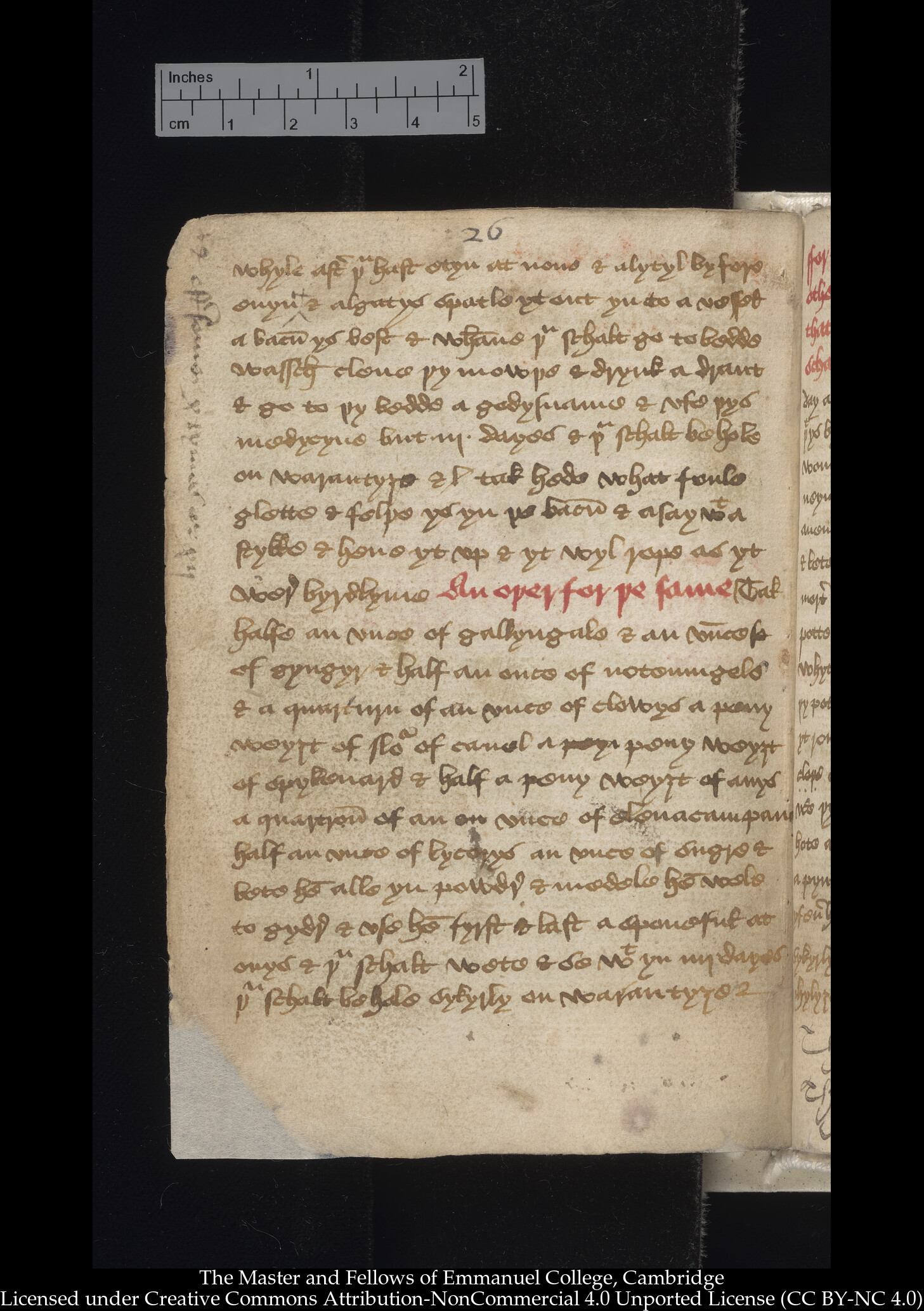
Cure 'all manner of ache' with mouthwash
'The three pennyweight of the root of pellitory of Spain and a half pennyweight of spikenard and grind them together and boil them in good vinegar. Take a saucerful of honey and five saucerfuls of mustard, and when the licour that is heated is cold, put thereto thy honey and thy mustard and mix them together.'
There then followed the instructions for its use:
'And then let the patient use thereof half a spoonful at once and hold it in his mouth all so long as a man may say two Credos, and then spit it out into a vessel and take another and thus do ten times or twelve...'
The prayer referred to here might be the Nicene Creed or the Apostles' Creed, two similar declarations of a person's belief in the Trinity of God, Jesus Christ and the Holy Spirit. They would take approximately a minute (Apostles' Creed) or a minute and a half (Nicene Creed) to recite in full.
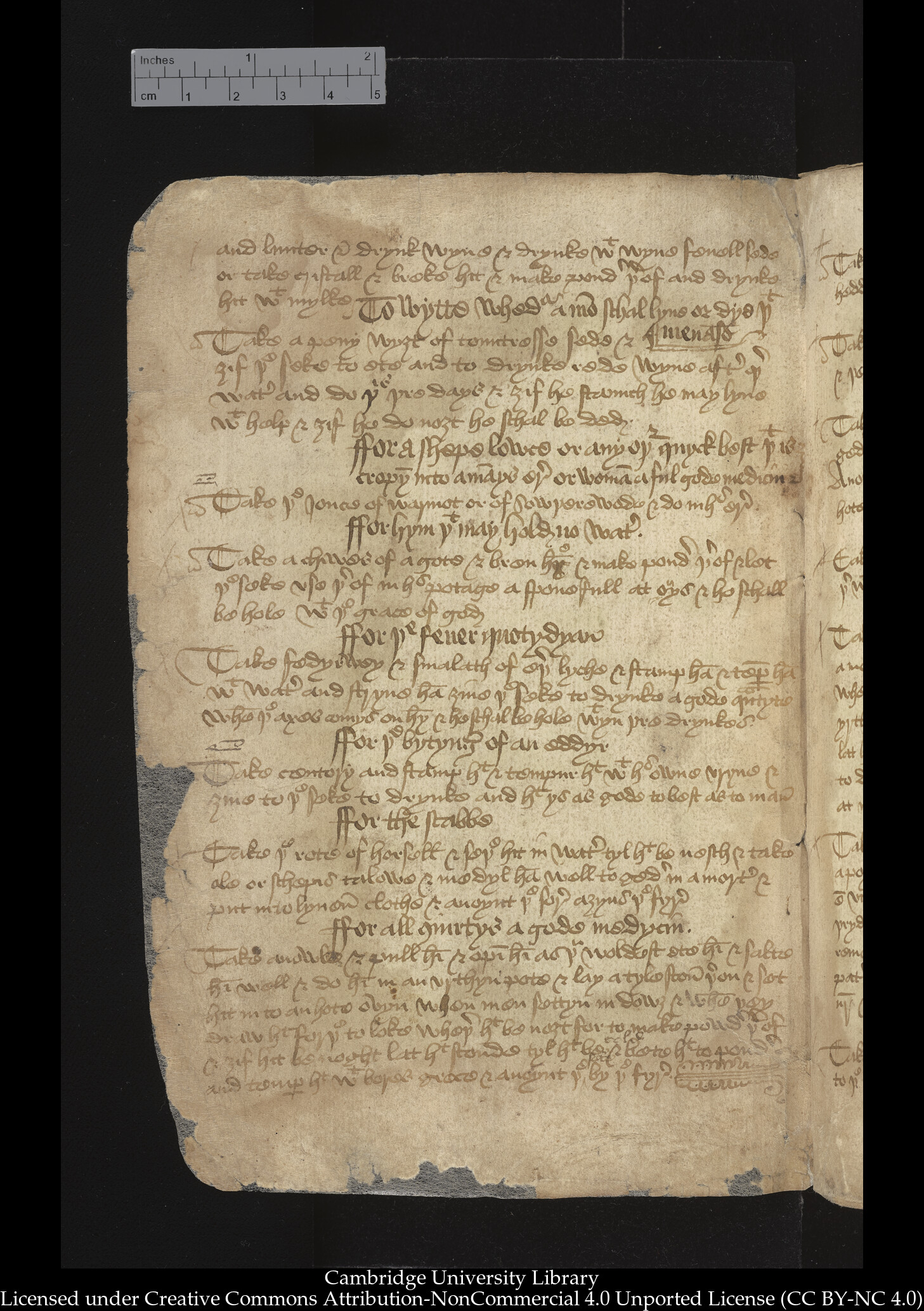
A strange remedy for gout
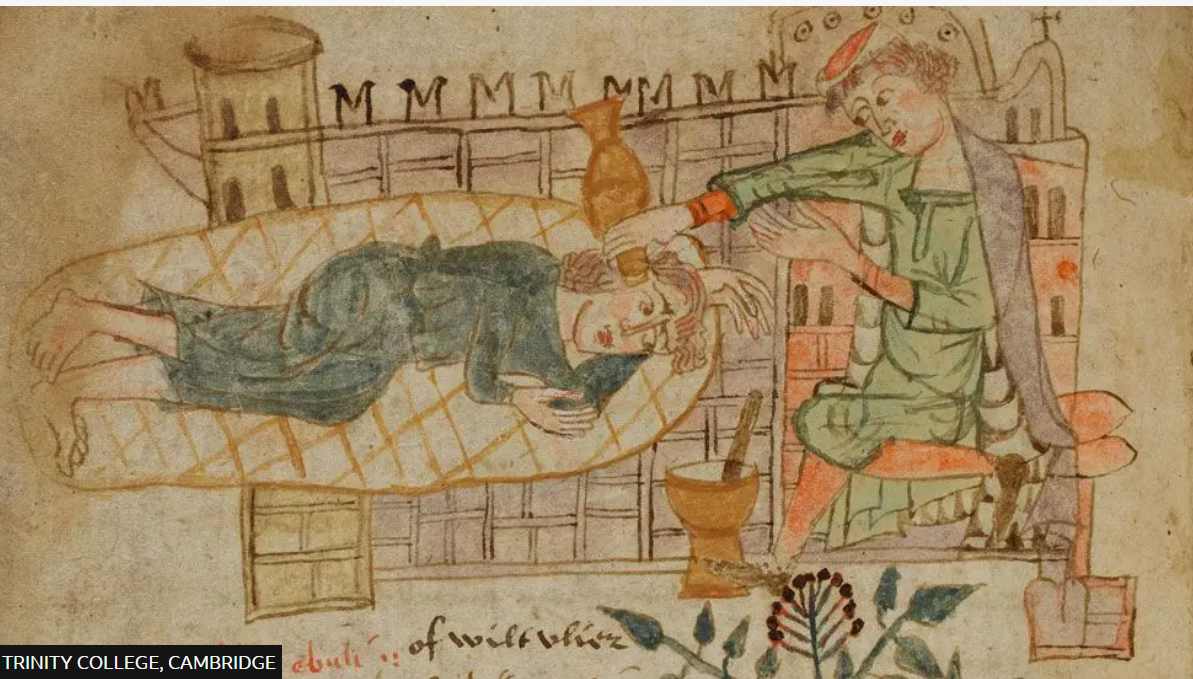
This rather strange remedy for gout - 'a good medicine' according to the rubric - involves plucking and gutting an owl, 'as thou wouldst eat him'. The unfortunate bird's body was to be put into an earthen pot, a lid put over the top, and then baked in the oven.
But how do you know how long to bake your owl for - and at what temperature?
The recipe explains, 'Set it into a hot oven when men set in dough, and when they draw it forth, look whether it [the owl] be ready for to make powder thereof' - so, roughly the same amount of time it takes to bake some bread. 'If it be not [ready], let it stand til it be, and beat it to powder and temper it with boar's grease and anoint the sore by the fire.'
Time and Medieval Time
Cambridge University Library
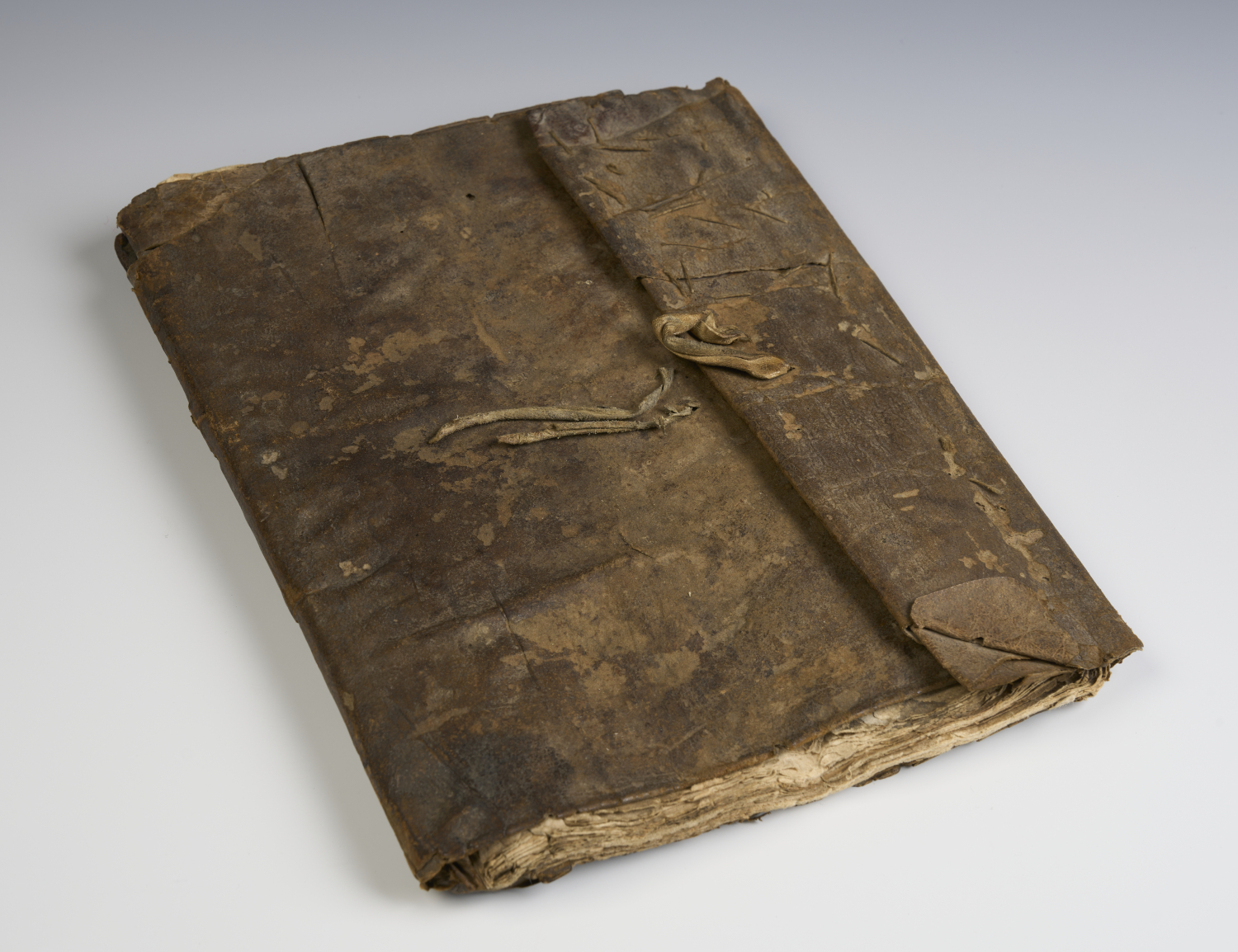
How did medieval people know when to take their medicine and for how long? Or the amount of time needed to prepare its ingredients? Through the manuscripts digitised by Cambridge University Library's Curious Cures project, this exhibition explores the creative, imaginative solutions that healers and physicians used to guide the correct preparation and administration of their medicines.
Our Time - Medieval Time
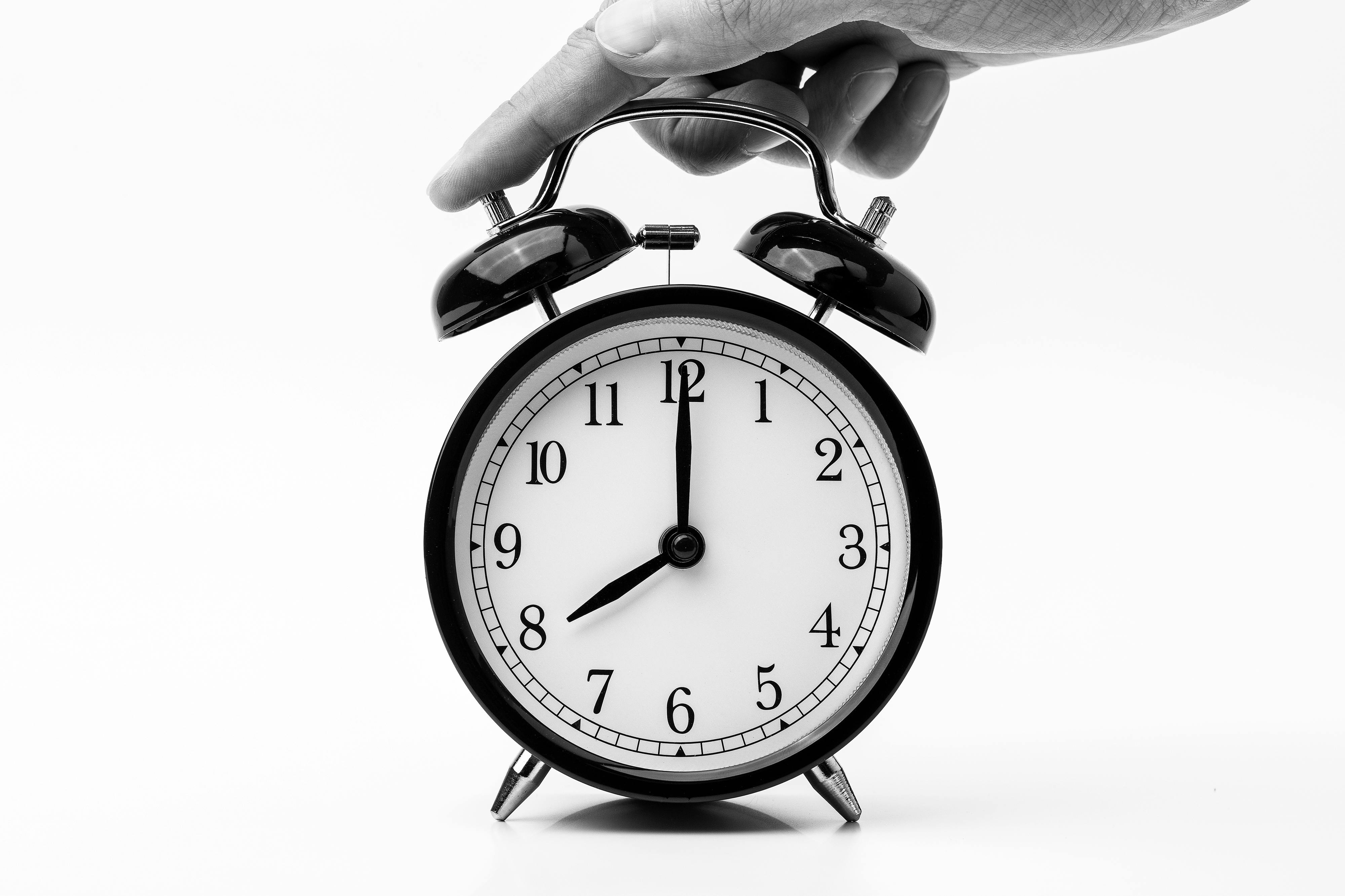
Nowadays, we are surrounded by instruments that display the time. Clocks are on the walls of our buildings, and watches are worn on our bodies. We carry in our pockets sophisticated smart phones whose default display setting is to show the time. Whether it is on the dashboards of our cars or the screens of our computers, on bus shelters or airport departure boards, on alarms by our bedside or on appliances in our kitchens, the precise minute, or even second, is almost always close at hand.
Medieval people - by contrast - lived before mechanically measured time was a feature of everyday life.
Medieval people lived before mechanically measured time was a feature of everyday life.
Time is particularly important in the preparation and administration of medicines.
In the absence of clock or watches medieval healers used creative ways to ensure that the correct timing was followed when a medicine was being made or used.
The second recipe on this page is for an unguent - an ointment or salve - known by the Latin name 'veni mecum', meaning 'come with me'. The title of the remedy, is underlined in red. It states the three skin ailments it can address.
Some cures specify a time that the treatment should be conducted.
This recipe was for decongestant. Sloes (the berries from a blackthorn bush) were ground in a mortar, put in a pot, and the pot filled with fresh ale.
Sometimes it was left it to the patient to decide when to administer the cure.
In some instances, the instructions are vague as to the proper duration for a treatment.
Pray for time
All of the remedies we have seen so far have measured time in whole days or directed the use of medicine according to when someone gets up or goes to bed. For shorter or more precise timespans, recipe texts often marked periods according to how long it would take someone to recite a prayer.
This 'proven' medicine for migraine, various kinds of swelling and 'all manner of ache' involved making a mouthwash.
Pluck and gut an owl, 'as thou wouldst eat him'...
Exhibition Quiz:
Do you know your clocks from your owls...