
SNICKET is a digital exhibition platform. We help curators, creators, and anyone with a history to tell their stories.
-

Introduction
-

Snicket Extra

-
The History of Snickets
-


Snicket's often host bins
-
Snicket Example in York
-
Snicket in Barnsley
-

A donation to Snicket Media supports our platform development
A donation to Snicket Media helps fund the ongoing development of our platform, allowing us to enhance user experience and expand our offerings. Your support enables us to create innovative features, maintain high-quality content, and continue growing our community. Every contribution makes a meaningful impact in shaping the future of Snicket Media.
Suggested Donation Levels
Congratulations!
You scored:
x
x
What have you learned?




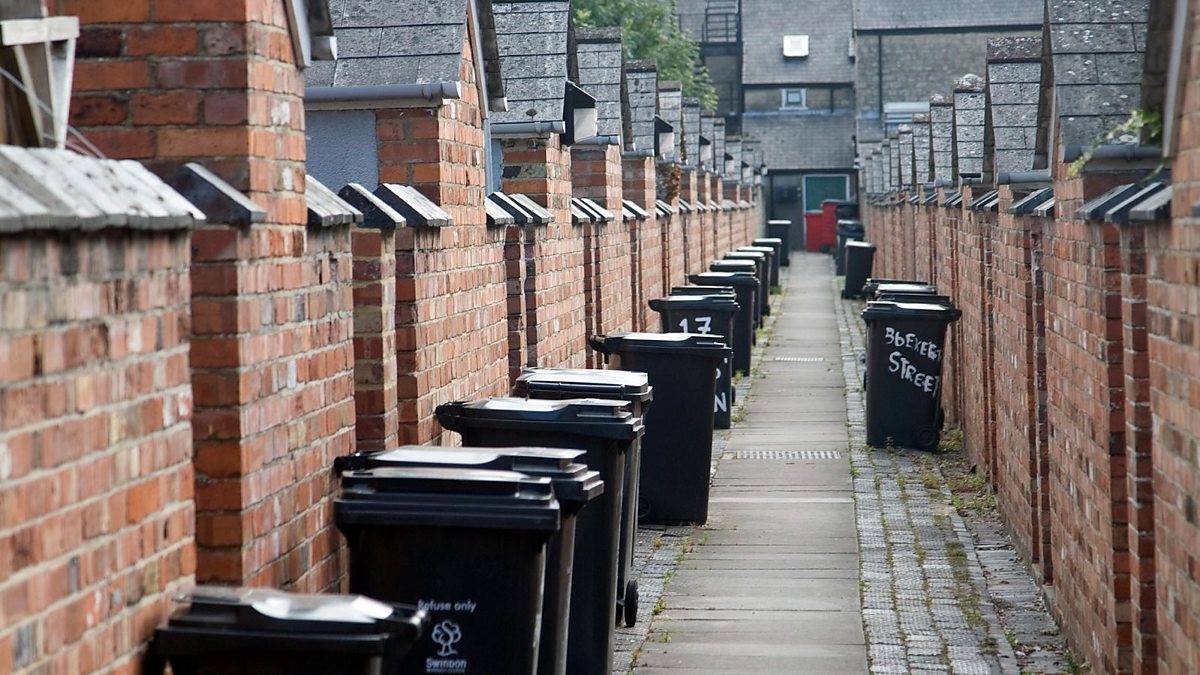
Snicket's often host bins
A snicket where the bins of all the houses adjoining the snicket are kept there.




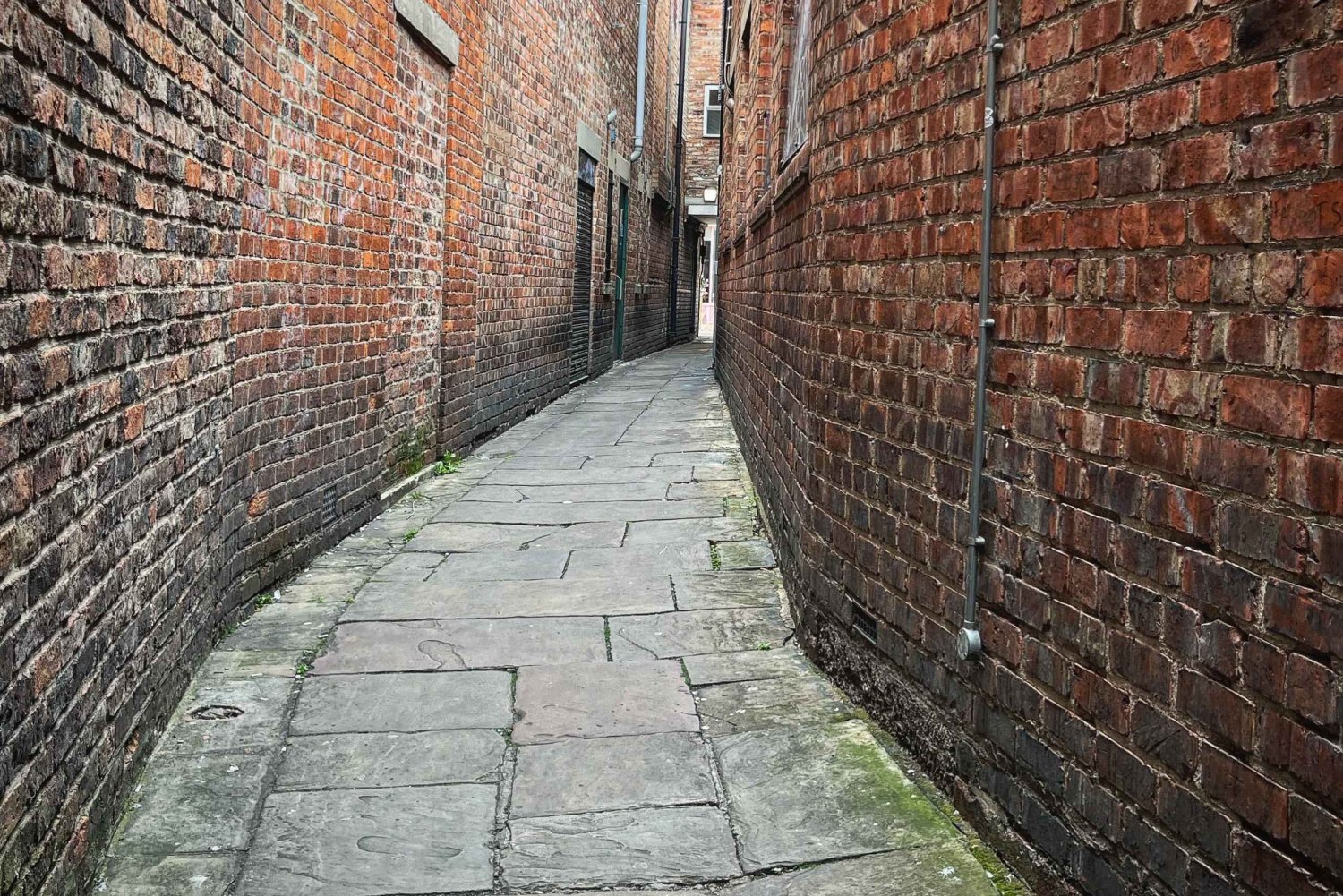
Snicket Example in York
This is an example of a snicket or alleyway situated in York, England. This is a typical example.
Related Items
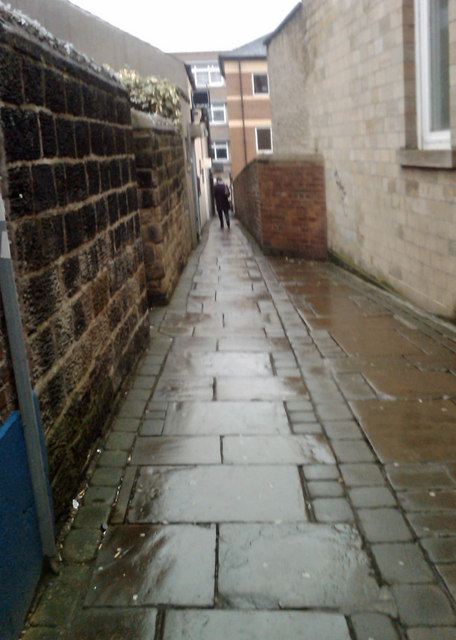
Snicket in Barnsley
This is an example of Snicket from Barnsley in South Yorkshire.
We recommend visiting Barnsley to see Snickets.
Related Items
Snicket Internal Test
Snicket
An alley or alleyway is a narrow lane, path, or passageway, often reserved for pedestrians, which usually runs between, behind, or within buildings in the older parts of towns and cities.
It is also a rear access or service road (back lane), or a path, walk, or avenue (French allée) in a park or garden.[1] A covered alley or passageway, often with shops, may be called an arcade. The origin of the word alley is late Middle English, from Old French: alee "walking or passage", from aller "to go", from Latin: ambulare "to walk".[2] a
Snicket Extra
Test
The History of Snickets
In older cities and towns in Europe, alleys are often what is left of a medieval street network, or a right of way or ancient footpath. Similar paths also exist in some older North American towns and cities. In some older urban development in North America lanes at the rear of houses, to allow for deliveries and garbage collection, are called alleys.
Alleys and ginnels were also the product of the 1875 Public Health Act in the United Kingdom, where usually alleys run along the back of streets of terraced houses, with ginnels connecting them to the street every fifth house.[citation needed] Alleys may be paved, or unpaved, and a blind alley is a cul-de-sac. Modern urban developments may also provide a service road to allow for waste collection, or rear access for fire engines and parking.
A snicket where the bins appear
An example of a Snicket situated in York
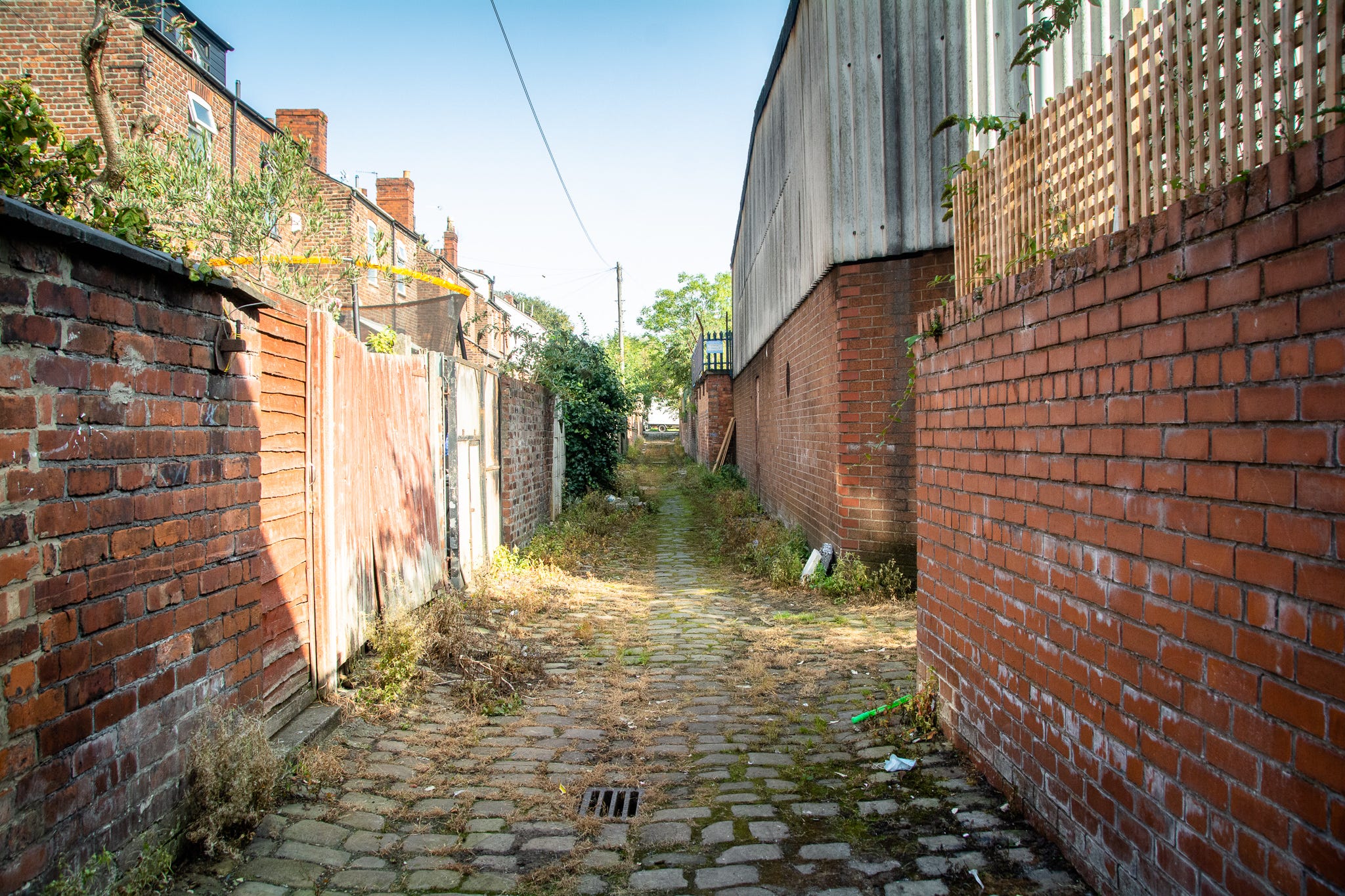
A less attractive Snicket from Barnsley
Exhibition Quiz:
Take this great quiz about Snickets!
Is it really a rich text field?